

AI search and GEO: from being seen to being recommended — Dékuple China at CCI France Chine

GEO is not just about being seen by AI but about making its shortlist. China's AI platforms draw on different sources, so brands need a localised multi-platform strategy, treat GEO as long-term work and judge it by business results.
Two sessions on AI search and GEO
AI is changing how consumers and businesses discover, assess and choose brands, and GEO (generative engine optimisation) is becoming a bigger part of digital marketing strategy.
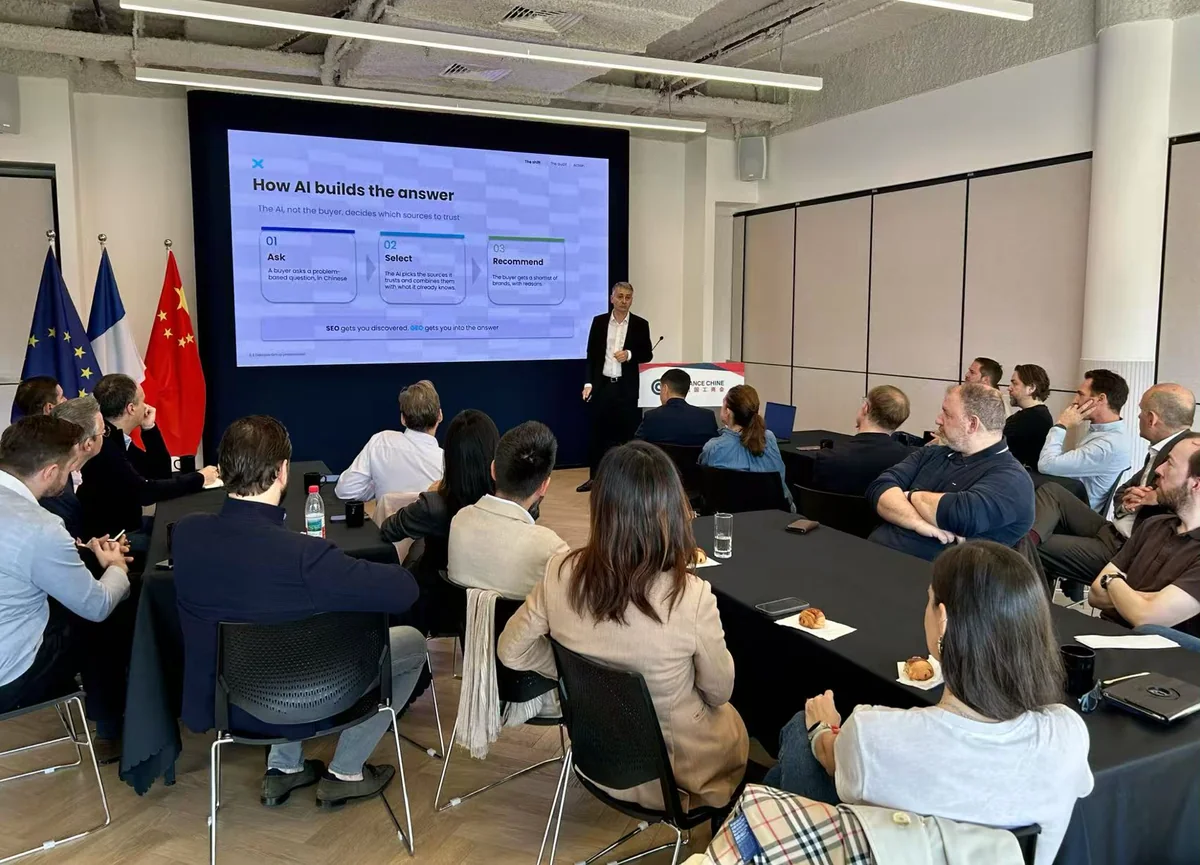
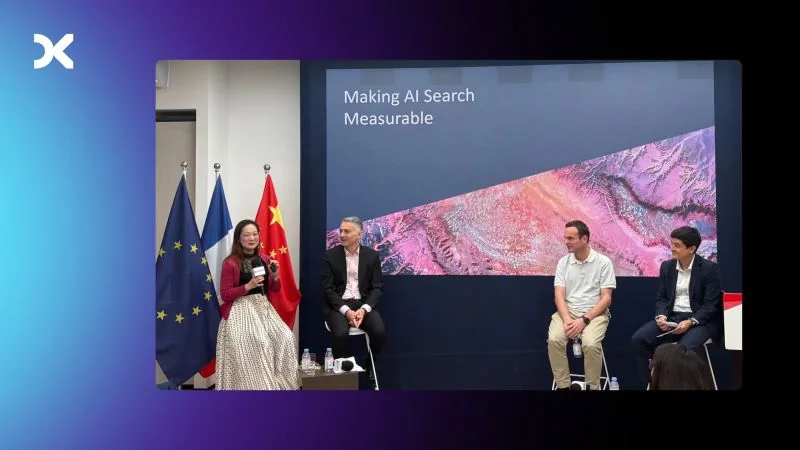
Cyril Nawawi, General Manager of Dékuple China, was invited to two CCI France Chine sessions. At the Tech & Digital Working Group he joined a panel on "AI Search & GEO: From Visibility to Business Impact". At the SME Committee he was the keynote speaker, explaining how AI search is changing brand exposure and buyer decisions in China's digital ecosystem, followed by Q&A with member companies.
From search rankings to AI recommendations
Traditional SEO is about where a brand ranks in search results. GEO goes a step further: when someone asks an AI for advice, is the brand correctly understood and included in the shortlist the AI generates?
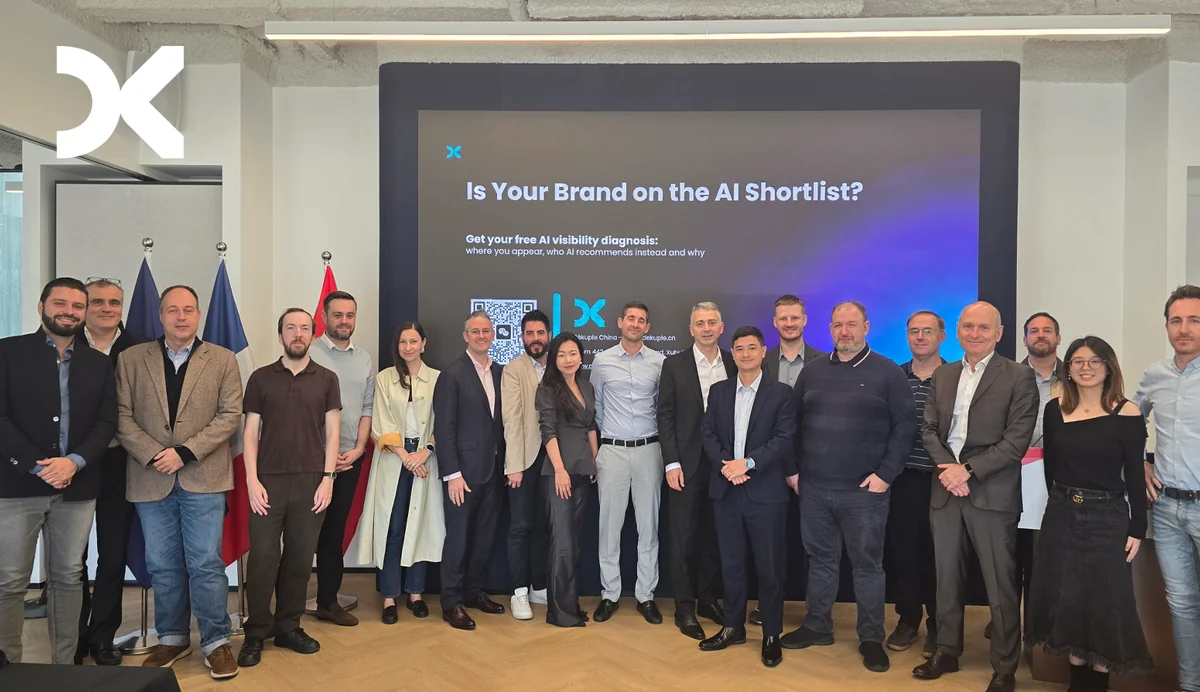
That was the question on the slide: is your brand on the AI shortlist? Ranking high is not the same as being recommended. Brands need AI to understand who they are, who they suit and why they are worth choosing, moving from being seen to being preferred, and becoming a trusted recommendation throughout the customer journey.
China has its own AI ecosystem
From Doubao and DeepSeek to Qwen, each AI platform draws on different sources and gives different recommendations. Being recommended on one does not mean appearing on another.
So brands first need to know which AI tools their audience uses and how they ask, then build a localised, multi-platform content strategy rather than copying what works abroad.
Beyond visibility metrics
Success is not just how often AI mentions or cites a brand. It means connecting digital visibility to measurable business results and long-term growth.
GEO is long-term work, not a one-off fix
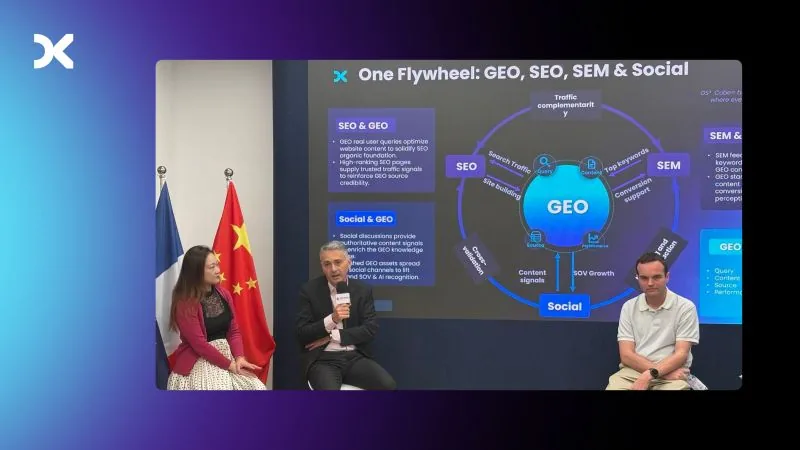
GEO is not a one-time technical project. Companies need to start from real user questions and keep improving their relevance and credibility in AI search through quality content, visibility assessment and ongoing monitoring. At Dékuple China we see GEO, SEO, SEM and social media as one growth flywheel, each driving the others.
To see how we approach it, visit our generative engine optimisation (GEO) service.
Q&A and conversations
In the Q&A, guests raised practical questions about how stable AI search results are, how to monitor brand visibility and how to optimise content.
It was also a chance to meet the French business community in China, catching up with old friends and meeting new partners. Thank you to CCI France Chine for the invitation and organisation, and to everyone who took part.
Key Data & Sources
| Data | Value | Source |
|---|---|---|
| Date of the SME Committee session | 28 October 2026 | Dékuple China WeChat event recap |
FAQ
How is GEO different from traditional SEO?
SEO is about a brand's ranking in search results. GEO is about whether, when someone asks an AI, the brand is correctly understood and included in the shortlist it generates.
Why does GEO in China need a per-platform approach?
Doubao, DeepSeek, Qwen and other platforms use different sources and give different recommendations. Being recommended on one doesn't carry over to another, so strategy must follow the platforms your audience uses.
How should brands measure GEO?
Not just by AI mentions or citations. Connect visibility to measurable business results, such as being the recommended choice in the buyer's journey and long-term growth.
Is GEO a one-off project?
No. It is long-term work: keep producing quality content around real user questions and regularly assess and monitor brand visibility across AI platforms.